Executor guidance · 8 min read · 25 October 2026
Estate Accounts for Executors: How to Keep Clear Records
Written by Simon D Campbell, Director, Shropshire Expert Cleaners LTD · 17 years in bereavement, trauma and hospital-standard cleaning
Estate accounts for executors are the record of money handled on someone else’s behalf. I’m Simon D Campbell, and after more than 17 years of my team working alongside executors and families, I know how useful it is to keep papers together before they become a pile. This guide covers England and Wales only. Scotland and Northern Ireland have different rules. You do not need an elaborate system to start: you need entries that another person can follow and evidence you can find.
In short
Keep a running ledger of estate money received and paid, with dates, descriptions and references to supporting documents. Record your own expenses separately, keep a call and letter log, and retain evidence of beneficiary payments. These records help you prepare the final estate accounts; they do not replace legal or tax advice about debts, claims or when distribution is safe.
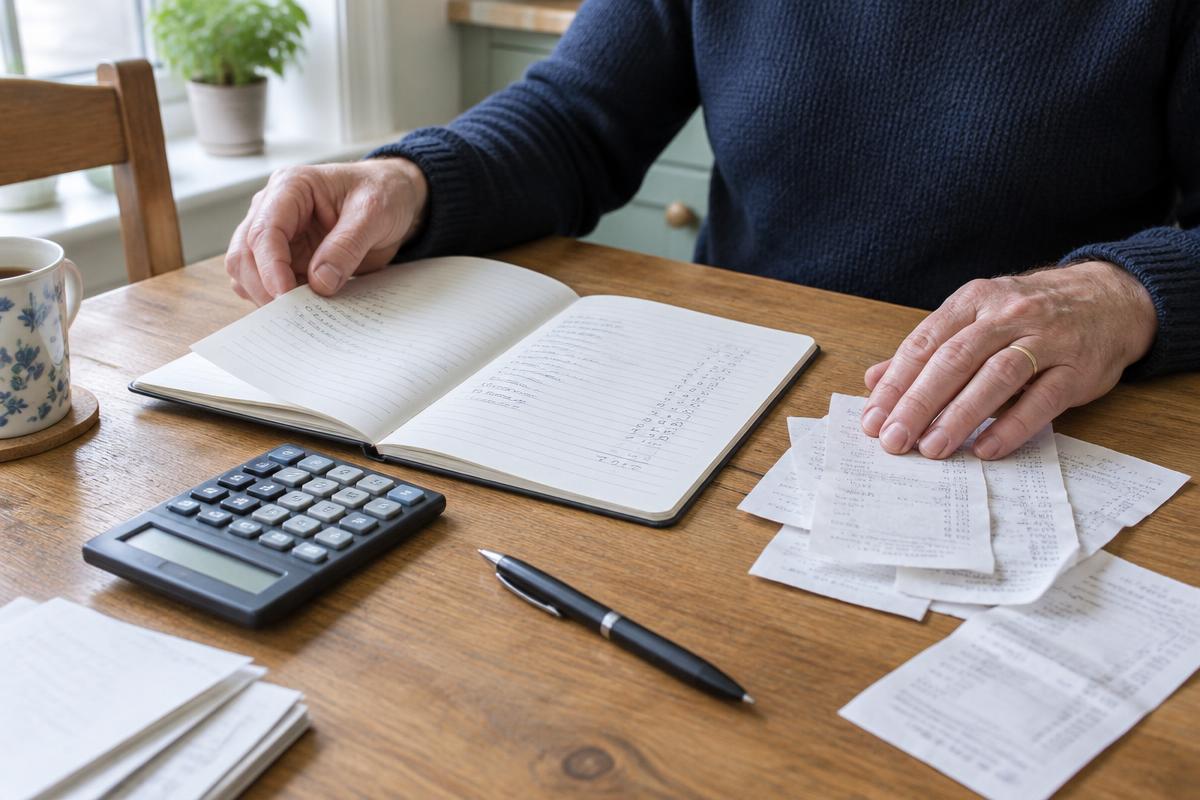
Why estate accounts for executors matter
GOV.UK explains that the person dealing with an estate is responsible for its property, money and possessions. The practical question behind the accounts is straightforward: what came in, what went out, and what remains? A clear answer is easier to give when each entry points to a bank statement, invoice, receipt or letter.
I would start recording before the first substantial payment, not when everything is nearly finished. Write down what you know, mark what is still awaiting confirmation and keep estimates separate from confirmed figures. That distinction prevents an old working figure from looking like a final balance when another executor or adviser reads the file.
Keep estate money separate from your own
GOV.UK’s estate guidance discusses collecting the person’s assets and using an executor’s account. Ask the bank what account and evidence it requires for the circumstances. Keeping estate transactions separate makes it easier to match money received, bills paid and distributions without mixing them with ordinary household spending.
Keep the bank statements alongside the ledger. The ledger explains the entries; the statements help you check that the amounts and dates agree. If a payment has been requested but not yet made, label it clearly as pending rather than deducting it twice. If another executor pays something, agree how that evidence reaches the person maintaining the accounts.
What to record in the estate ledger
- Date. Record when the transaction happened, and distinguish that from the date you entered it. Keep invoice dates where they help identify the bill, but do not confuse an invoice waiting for payment with money already leaving the account.
- Who paid or was paid. Use the organisation or person’s name and a short account reference. Never put passwords, PINs or full bank or card numbers in an ordinary workbook; the last four digits are enough to help identify an account.
- What the transaction was for. Use a clear description such as an estate bank balance received, a utility bill, a property sale receipt or a documented reimbursement. Ask the provider whether a pension or insurance payout belongs to the estate before putting it into estate income.
- Money in and money out. Use separate columns so that a receipt cannot be mistaken for an expense. Record corrections openly, with a note explaining the change, rather than deleting an entry whose evidence someone else may already have seen.
- Running balance. Compare the running total with the bank statement regularly. A difference may be a pending transaction, a bank charge or a simple entry error. Resolving it while the papers are close at hand is easier than doing it at the end.
- Evidence reference. Give the invoice, receipt or letter an identifier and keep it in the matching folder. For a digital file, a short consistent name containing the date and organisation is more helpful than a collection of unnamed scans.
GOV.UK lists the obligations to deal with before distribution, including debts, tax and administration costs. Our probate fees guide covers the application fee separately; keep the actual payment evidence in your accounts rather than relying on a general article as proof of what this estate paid.
Executor’s expenses: keep a separate record
GOV.UK says reasonable expenses can be claimed from the estate. Keep a separate expense record showing what you paid personally, when, why it related to the administration and the supporting receipt. Recording an expense does not by itself prove it is reasonable or reimbursable, so ask if you are unsure.
When an agreed reimbursement is paid, cross-reference the personal expense record and the estate ledger. Otherwise the same cost can appear twice: once when you paid it and again when the estate repaid you. Do not treat time spent helping the family as an automatic entitlement to payment. Check the will and get advice about any proposed fee.
Keeping a call and letter log
A useful log records the date, the person or organisation, the subject, their reference number and the next agreed action. Include letters and emails as well as calls. If someone says they will send a form, note that you are waiting for it; when it arrives, update the same entry rather than starting an unrelated trail.
The Executor’s Workbook includes a call log and five letter templates: bank or building society, utilities and council tax, home insurer, beneficiary update, and receipt and discharge. Use templates as a starting point, checking that the details fit the estate and the recipient’s requirements. A standard letter cannot resolve a disputed legal issue.
Updating beneficiaries along the way
A short factual update can say which stage you have reached, what information is outstanding and when you expect to give another update. Avoid promising a distribution date while valuations, claims or tax are unresolved. Keep a copy of what was sent so that co-executors are not giving different explanations from memory.
I included an Updates to beneficiaries page in the workbook for this reason. It gives you somewhere to record what has been communicated without turning every contact into a fresh search through messages. Our executor duties guide explains how the accounts fit alongside the other work, while the free family guide keeps the overall sequence visible.
Distribution, receipts and the final estate account
GOV.UK explains distributing the estate after debts and taxes have been dealt with, and preparing final accounts. The accounts should be approved and signed by you and the main beneficiaries, rather than assuming every beneficiary must sign. Your final account should make it possible to follow the assets collected, liabilities and costs paid, beneficiary distributions and any remaining balance. Keep supporting evidence rather than presenting a total with no trail behind it.
Ask how each distribution should be documented and retain confirmation of the actual payment. A signed beneficiary receipt can help record that a particular amount or item was received. It is not a substitute for correct administration, and a receipt-and-discharge form should not be presented as a guarantee against every possible future claim.
GOV.UK recommends a Gazette notice to give creditors an opportunity to come forward. Allow at least two months and observe the deadline in the notice, but do not assume its expiry settles tax, inheritance disputes or every other obligation. If there is a dispute or uncertainty, get advice before distributing. The finishing phase of the free guide brings together the practical closing tasks.
Keep the record usable after the work is finished
Save a final version of the accounts and organise the supporting documents so they can be found later. Keep printed copies securely and digital copies on a protected device. Do not send full bank details or sensitive documents to a whole family email group when a concise update will do. Agree who retains the final file and how any necessary access will be managed.
GOV.UK gives specific estate record-keeping guidance, including final accounts, expense receipts and written confirmation that beneficiaries received their shares. Different legal and tax circumstances can require different records, so check the guidance relevant to this estate rather than choosing a universal destruction date. Before deleting anything, ask the solicitor or accountant involved what should be retained.
Frequently asked questions
Do beneficiaries receive the estate accounts?
GOV.UK says copies of the final accounts should be sent to beneficiaries and the accounts should be approved and signed by you and the main beneficiaries. Ask a solicitor if access or the accounts are disputed.
Can I pay an estate bill from my own money?
Keep evidence of any payment you make personally and record it separately. GOV.UK permits reasonable expenses to be claimed from the estate, but reimbursement is not guaranteed for every payment. Check first, especially if the estate may not have enough money to meet its debts.
How long should I keep estate records?
Follow GOV.UK’s estate record-keeping guidance and any advice for the estate’s tax or legal circumstances. Do not assume one retention period covers all documents, disputes or tax returns.
What is a receipt and discharge?
It is a document used to acknowledge a beneficiary’s receipt of a distribution and may include wording about the executor’s discharge. The wording matters. It should not be treated as a blanket removal of liability; get legal advice if you are unsure what someone is being asked to sign.
Do I need an accountant?
Not every estate needs one. GOV.UK explains obtaining help with probate. Ask for tax advice where the estate’s income, gains, business interests or reporting requirements are unclear, and agree what the adviser will do.
A ledger, expenses page and final account, ready to fill in
The £11.99 Executor’s Workbook is a fillable PDF download with Standard and Large Print versions and a Start here guide. Published by Circlework Ventures Ltd, it is best used in free Adobe Acrobat Reader, which calculates four key dates. Always check the dates and your saved answers.
Planning your own affairs too? See the End-of-Life Planner or get the planner and workbook bundle on Etsy.
Digital downloads are not normally returnable or exchangeable once downloaded. Your statutory rights are unaffected. If there is a problem with your file, message us through your Etsy order so we can fix or replace it.