Probate · 6 min read · 29 August 2026
Valuing an estate for probate without overcomplicating it
Written by Simon D Campbell, Director, Shropshire Expert Cleaners LTD · 17 years in bereavement, trauma and hospital-standard cleaning
The short answer
Valuing an estate means listing everything the person owned and owed on the date they died. Write to each bank, pension provider and insurer for the date-of-death value, get an estate agent's written valuation for property, and photograph every room before anything is moved.
Valuing the estate means working out what the person owned, what they owed, and the difference between the two on the date they died. GOV.UK treats this as its own step in the process, before probate and before Inheritance Tax is settled.
What counts
Property, money in bank and building society accounts, savings and premium bonds, investments, vehicles, personal possessions, insurance payouts due to the estate, and any business interests. Against that, list debts: mortgage, loans, credit cards, outstanding bills and funeral costs.
Getting the figures
Write to each bank, pension provider and insurer asking for the balance or value as at the date of death — that is the figure HMRC and the probate service want, not today's balance. For property, an estate agent's written valuation is usually enough for a straightforward estate; use a RICS surveyor where the value is near an Inheritance Tax threshold or the property is unusual.
Contents are almost always worth less than families expect
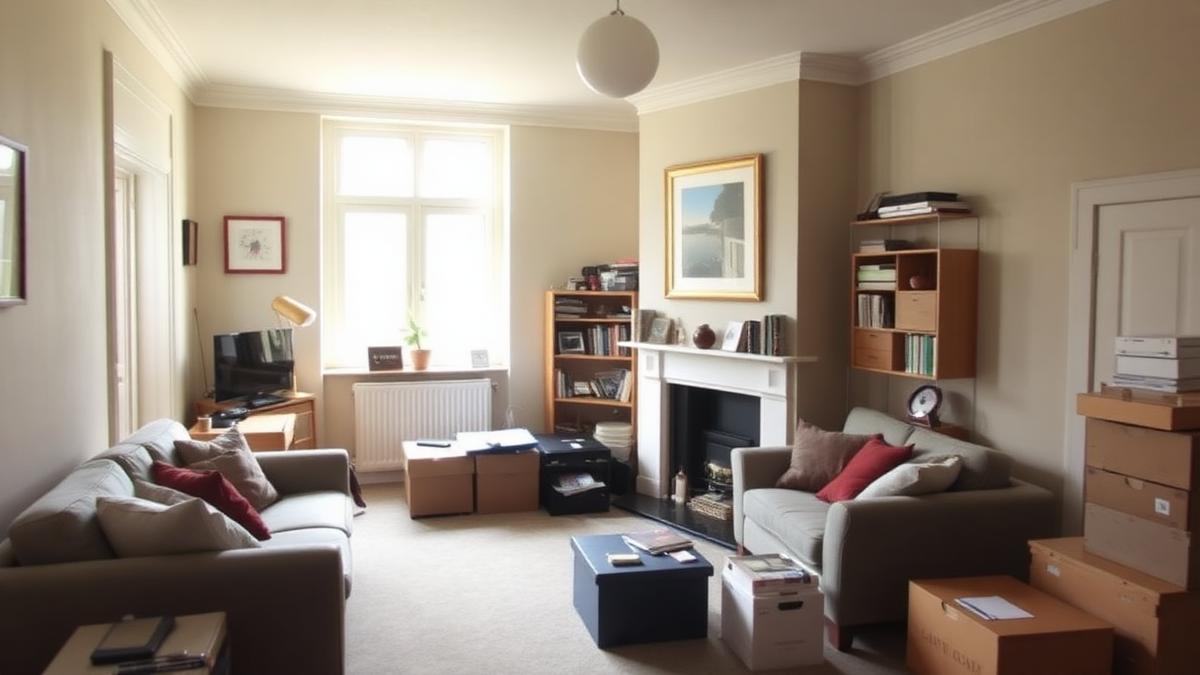
Ordinary household furniture generally has a nominal second-hand value. Jewellery, antiques, collections, tools and vehicles are the items worth having valued properly. Photograph every room before anything moves — it supports your valuation and protects you if a relative later asks what happened to something.
Common mistakes
Clearing the house before the valuation. Forgetting joint accounts and jointly owned property, which are treated differently. Missing small pensions from decades-old employment. Not keeping receipts and correspondence — as executor you may be asked to account for your figures.
Keep everything in one folder. It is the single thing that makes the next six months easier.