Property · 5 min read · 25 October 2026
Insuring an empty property after a death
Written by Simon D Campbell, Director, Shropshire Expert Cleaners LTD · 17 years in bereavement, trauma and hospital-standard cleaning
The short answer
Standard home insurance usually restricts cover after a property has been empty for 30 to 60 days, so tell the insurer as soon as the property becomes unoccupied. Expect conditions such as regular logged inspections and minimum heating, and ask the council about an empty-property council tax exemption.
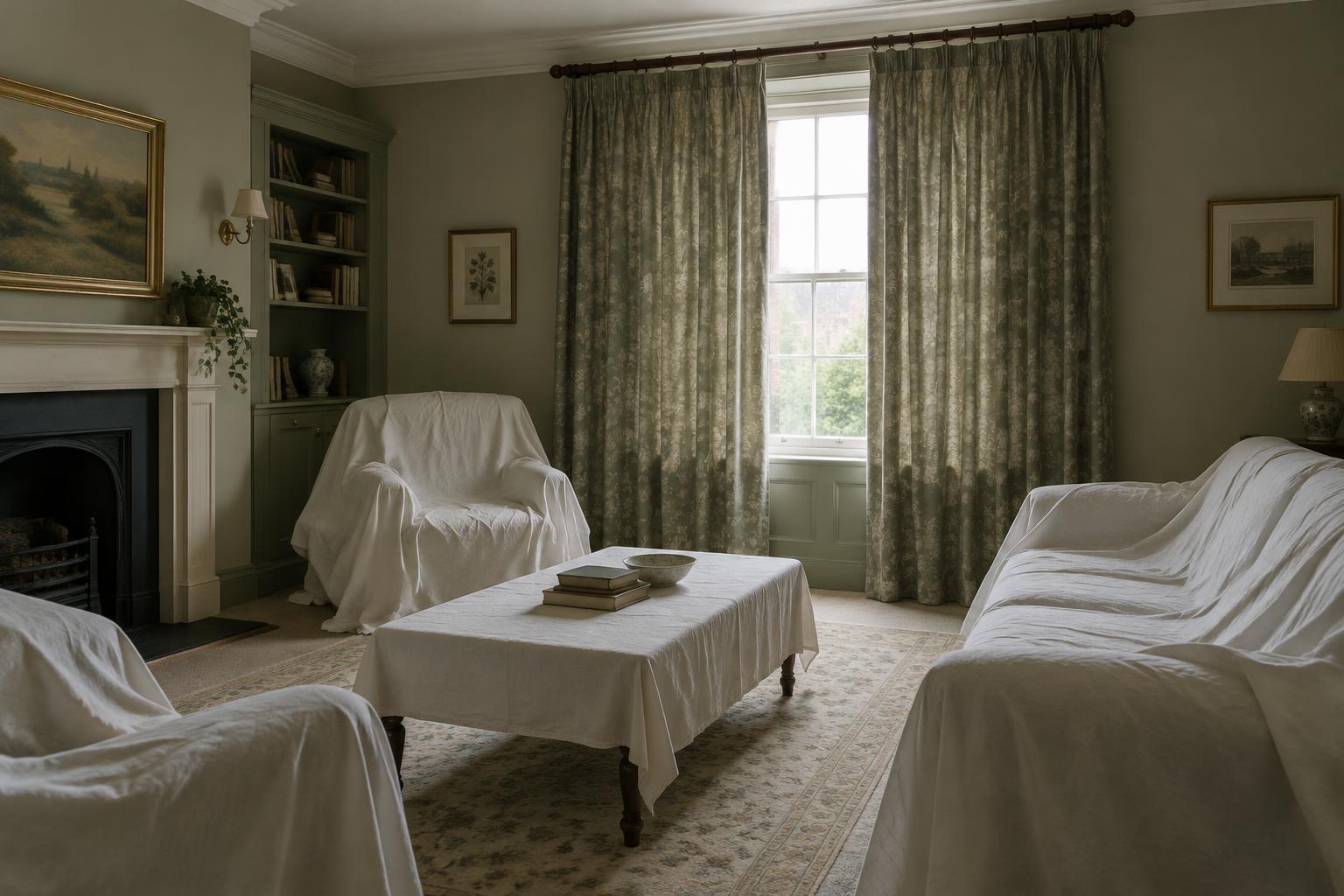
Most standard home insurance policies reduce or remove cover once a property has been empty for 30 to 60 days — exactly the period when a bereaved family is waiting for probate and the house is most at risk. Telling the insurer early is one of the few genuinely urgent property jobs after a death.
Tell the insurer straight away
Ring the existing insurer first and tell them the property is now unoccupied. Many will extend cover with conditions; some will not, and you will need a specialist unoccupied property policy. Not telling them can void the policy entirely, which only comes to light when a claim is refused.
The conditions to expect
Unoccupied cover usually comes with requirements: regular inspections — often weekly or fortnightly — with a written note of each visit, the heating kept at a minimum temperature in winter, and sometimes the water drained down. Keep a simple log of every visit with the date. Insurers ask for it after a claim.
Protect the house in the meantime
Lock up, close windows, and take dated photographs of each room. Write down everyone who holds a key. Take meter readings on the day the property becomes empty, and redirect the post — a pile of letters behind the door is an advertisement that nobody is home.
Leave the heating on low in winter rather than off. A burst pipe in an empty house can run for weeks before anyone notices.
Council tax
Empty properties after a death often qualify for a council tax exemption or discount for a period — ask the council when you notify them, or through Tell Us Once at registration.
If the property will be empty for months while probate comes through, treat the insurance, the inspections and the heating as a standing weekly routine rather than a one-off job.